
Tulln, June 2025 – A new Horizon Europe project, SUSBOARD, has officially launched with a total budget of €6.9 million, aiming to revolutionize the wood panel and furniture industries by developing the first 100% bio-based, formaldehyde-free, and cost-competitive adhesive for particleboard (PB) and medium-density fibreboard (MDF) production.
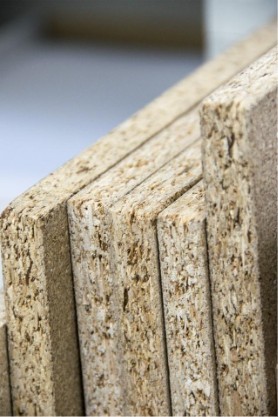
Europe produces around 40 million m³ of particleboards and 20 million m³ of medium-density fiberboards (MDF) every year- materials used extensively in construction and furniture. These boards currently rely on fossil-based adhesives that emit formaldehyde and contribute significantly to CO₂ emissions. SUSBOARD aims to replace these with a fully bio-based alternative that is safer and more sustainable.
Building on Successful Results
SUSBOARD builds on the successful EU-funded SUSBIND project, which demonstrated the potential of adhesives made from over 80% renewable materials.
Now, SUSBOARD will go a step further by replacing the remaining fossil-based component with polylysine, a fully bio-based alternative, delivering a 100% bio-based adhesive system.
Preliminary tests have already shown that this new adhesive not only meets industry performance standards but also exceeds previous bio-based versions in strength development.
Supporting Europe’s Green Transition
Aligned with the European Green Deal, Circular Economy and Zero Pollution Action Plans, SUSBOARD supports Europe’s transition toward a fossil-free and greener future. It promotes innovation in the bioeconomy, cuts industrial carbon emissions, and supports compliance with upcoming EU regulations on volatile organic compound (VOC) emissions and formaldehyde limits.
SUSBOARD Goals
Over the next four years, the project will:
- Scale up adhesive production to a multi-ton scale;
- Test the adhesive in industrial production lines of PB and MDF;
- Validate board performance for furniture manufacturing;
- Develop a prototype modular furniture product from SUSBOARD boards;
- Conduct a full Safe and Sustainable by Design (SSbD) assessment, including lifecycle, health and safety, and recyclability evaluations;
- Support market uptake of bio-based adhesives.
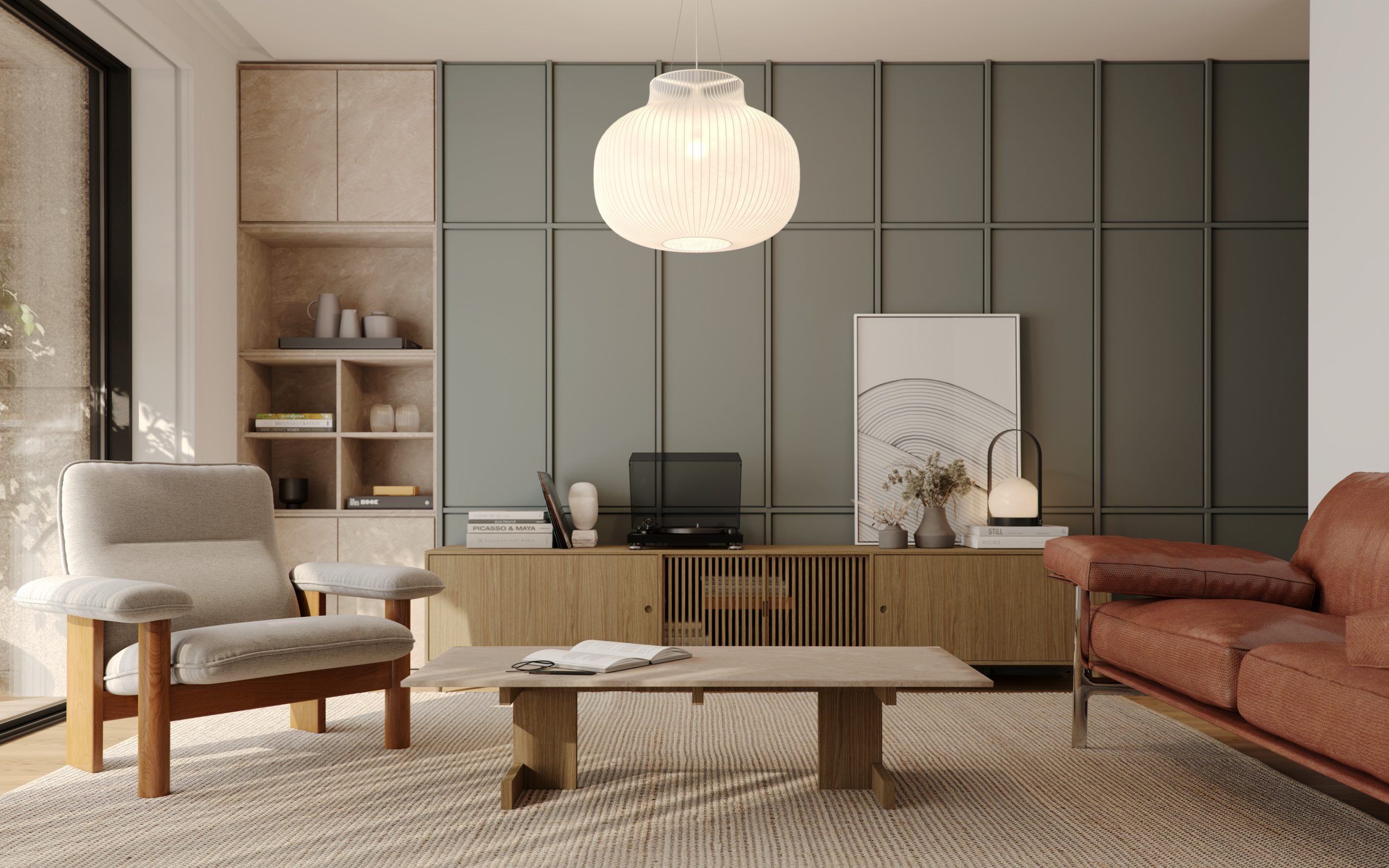
SUSBOARD aims to reduce the carbon footprint of wood boards by up to 30% and eliminate formaldehyde-related health risks. Its innovation will open new markets for bio-based materials, promote safer working conditions, and provide greener options for European consumers looking for sustainable furniture.
By aligning cutting-edge research with industrial needs, SUSBOARD is more than a scientific project. SUSBOARD will push us to rethink how we produce, live, and build in a climate-conscious Europe.
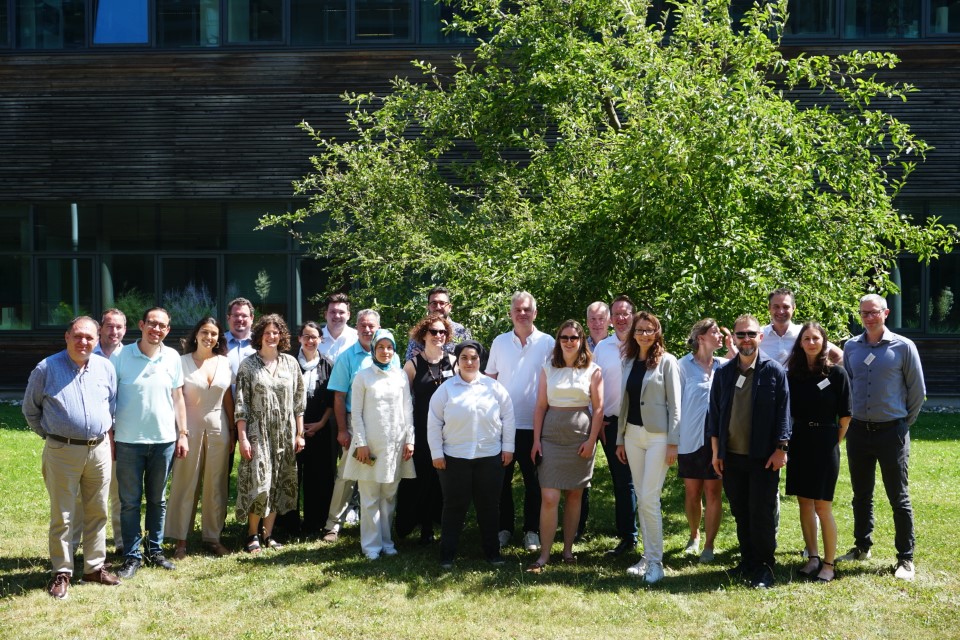
The kick-off meeting for SUSBOARD took place from June 24-26 in Tulln, Austria at the scientific coordinator’s headquarters, Woodk+ , organised by project coordinator, RTDS Association.